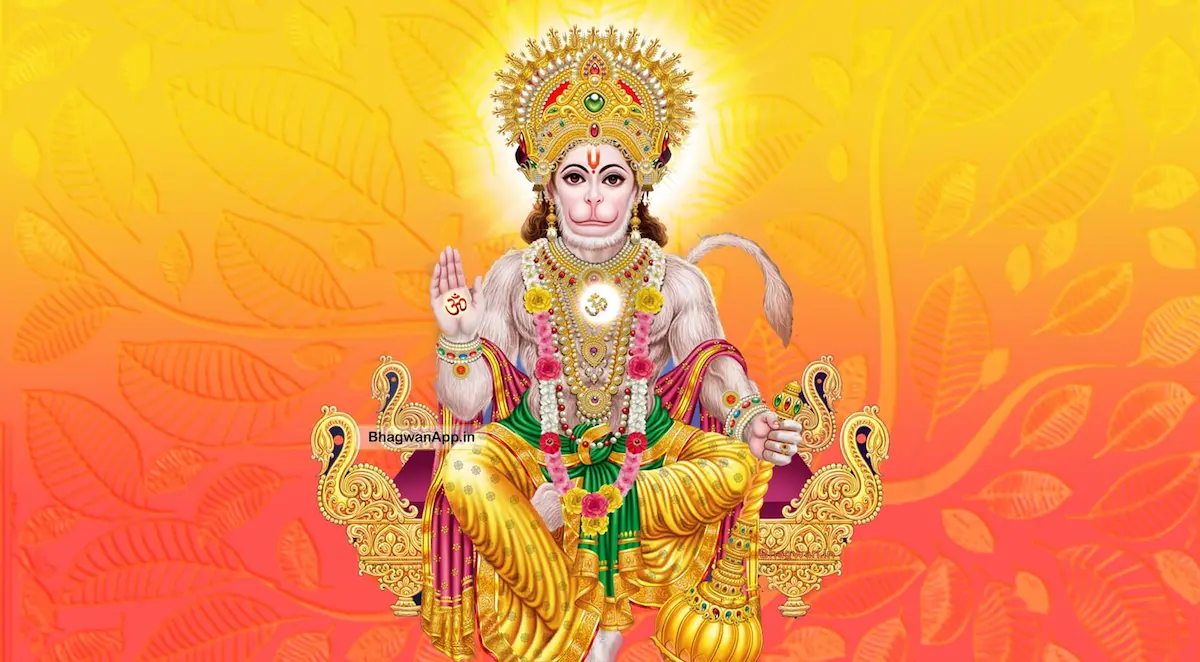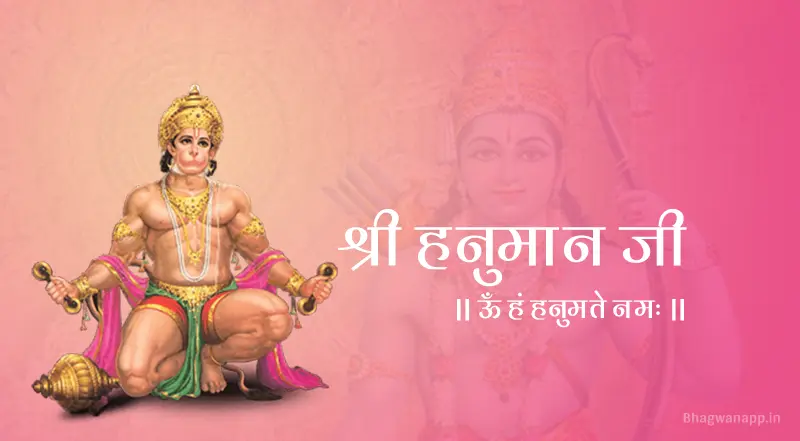
The Hanuman Chalisa is a 40-verse (“chalisa” literally means forty) hymn composed in the Awadhi language by the 16th-century poet-saint Tulsidas, who is also known for authoring the Ramcharitmanas. This sacred text praises the virtues, heroic deeds, and divine qualities of Lord Hanuman, a central figure in the epic Ramayana.

|| ॐ श्री हनुमते नमः ||
Shri Guru Charan Saroj Raj, Nij Man Mukur Sudhari
Barnaun Raghuvar Bimal Jasu, Jo Dayaku Phal Chari
Buddhi Heen Tanu Janike, Sumirau Pavan Kumar
Bal Buddhi Vidya Dehu Mohi, Harahu Kalesh Vikaar
Jai Hanuman Gyan Gun Sagar
Jai Kapis Tihun Lok Ujagar
Ram Doot Atulit Bal Dhama
Anjani Putra Pavan Sut Nama
Mahabir Bikram Bajrangi
Kumati Nivaar Sumati Ke Sangi
Kanchan Varan Viraj Subesa
Kanan Kundal Kunchit Kesa
Haath Vajra Aur Dhwaja Biraje
Kandhe Moonj Janeu Saaje
Shankar Suvan Kesari Nandan
Tej Pratap Maha Jag Vandan
Vidyavaan Guni Ati Chatur
Ram Kaj Karibe Ko Aatur
Prabhu Charitra Sunibe Ko Rasiya
Ram Lakhan Sita Man Basiya
Hanuman Chalisa is a devotional hymn dedicated to Lord Hanuman, the Hindu deity known for his strength, courage, and devotion. The hymn, composed by Tulsidas in the 16th century, is one of the most popular and widely recited prayers in the Hindu tradition. It consists of 40 verses or chaupais, each describing the qualities and deeds of Lord Hanuman.
In this article, we will delve deeper into the significance and meaning of Hanuman Chalisa, explore its historical and cultural context, and discuss its relevance in today's world. We will also provide insights into how you can incorporate this powerful prayer into your spiritual practice and benefit from its blessings.
The Significance of Hanuman Chalisa: A Symbol of Devotion and Strength
Hanuman Chalisa is not just a prayer, but a powerful tool for invoking the blessings of Lord Hanuman. The hymn is believed to have the power to ward off evil spirits, cure illnesses, and bring good fortune to those who recite it with devotion and sincerity. It is also said to provide inner strength and courage to overcome challenges and obstacles in life.
The verses of Hanuman Chalisa describe the various qualities and attributes of Lord Hanuman, such as his strength, wisdom, devotion, and selflessness. They also recount his heroic deeds, such as his role in the Ramayana, where he helped Lord Rama defeat the demon king Ravana and rescue his wife Sita. By reciting these verses, devotees seek to emulate the qualities of Lord Hanuman and seek his blessings in their lives.
The Historical and Cultural Context of Hanuman Chalisa: A Story of Devotion and Inspiration
The composition of Hanuman Chalisa is attributed to Tulsidas, a poet, and saint who lived in the 16th century. Tulsidas was a devotee of Lord Rama and Hanuman, and his works reflect his deep faith and devotion. According to legend, Tulsidas was inspired to write Hanuman Chalisa after a vision of Lord Hanuman, who appeared to him in a dream and instructed him to write the hymn.
Hanuman Chalisa is also deeply rooted in the cultural and religious traditions of India. The prayer is recited in temples, homes, and public gatherings across the country, and has become a symbol of devotion and inspiration for millions of people. It is also popular among yoga practitioners and spiritual seekers, who use it as a tool for meditation and spiritual growth.
Incorporating Hanuman Chalisa into Your Spiritual Practice: Tips and Suggestions
If you are interested in incorporating Hanuman Chalisa into your spiritual practice, there are several tips and suggestions that can help you get started. Here are some ideas to consider:
Find a quiet and peaceful place where you can recite the hymn without distractions.
Choose a time of day that works best for you, whether it's early morning, evening, or before bedtime.
Begin by reciting one or two verses at a time, and gradually work your way up to reciting the entire hymn.
Focus on the meaning and significance of each verse, and try to connect with the qualities and attributes of Lord Hanuman.
Practice with devotion and sincerity, and trust in the power of the hymn to bring blessings and positive energy into your life.